Medline’s commitment to homecare today: Delivering supplies where they’re needed

By Medline Newsroom Staff | December 10, 2025
Medline’s commitment to homecare today: Delivering supplies where they’re needed
With smarter shipping, intuitive education and personalized support, the company is redefining the experience for today’s consumer

As healthcare delivery continues to evolve, procedures once performed in hospitals are increasingly being transitioned to nursing homes, and some previously managed in surgery centers are now commonly handled in outpatient rehabilitation settings. This ongoing shift, often referred to as “pushing care downstream,” is further accelerated by an aging U.S. population, resulting in more care being provided in the home.
As the landscape of homecare rapidly evolves, Medline is investing in innovation that meets new demands while at the same time identifying ways to reduce costs while maintaining quality of care.
Here are four key homecare trends the industry is seeing, and how Medline is responding:
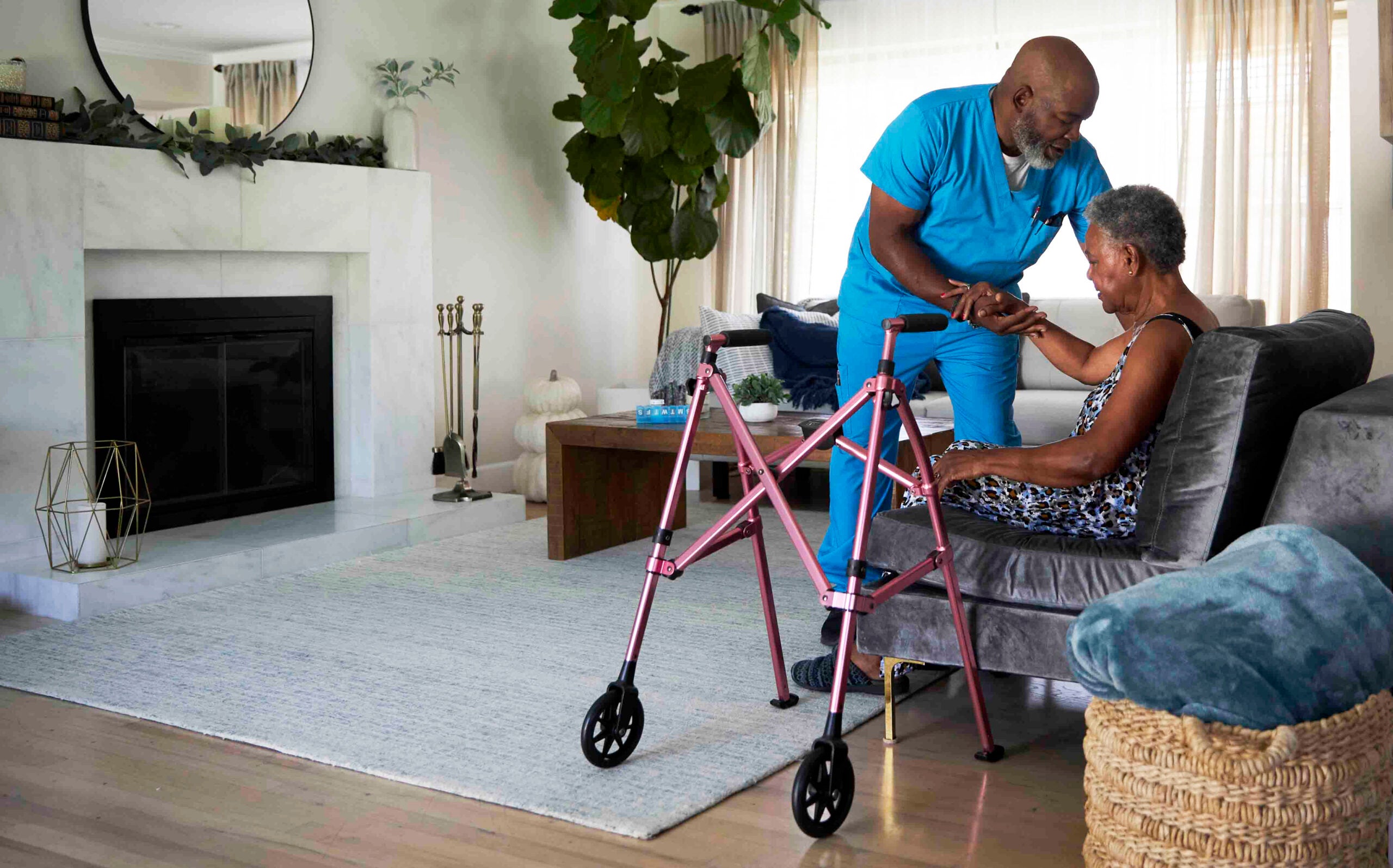
1. Reducing costs: Shifting care and streamlining delivery
As more care moves into the home, Medline is working with home health and hospice organizations, home medical equipment (HME) providers and health plans to deliver essential supplies right where they’re needed.
 “We’re witnessing a growing demand for products that have traditionally been supplied to healthcare institutions – for example, diabetic supplies, therapy equipment, incontinence items and enteral feeding – to now be delivered directly to patients’ homes,” said Steve Brody (right), Medline’s senior vice president of homecare. “So, in addition to getting pallets of supplies to nursing homes, we have the opportunity to support the provision of care by delivering supplies directly to patients.”
Another shift Medline is seeing in this area, he said, is with HME providers and the categories of supplies they’re providing.
“Their business was centered around walking aids – walkers and wheelchairs – hospital beds and oxygen delivery,” Brody said. “Now they see a greater need for their vendors, like Medline, to supply respiratory products like continuous positive airway pressure [CPAP], as well as glucose monitoring. They’re looking for us to help them streamline distribution, which we’re able to do through our supply chain capabilities.”
Shipping products to homes requires sending the exact quantity a patient needs, rather than bulk quantities. To support this, Medline is investing in its Medline Home Direct™ program for home health and hospice organizations and HME businesses to ship medical supplies directly to patients. Medline’s homecare customers are supported by 20 strategically located homecare warehouses. In 2024 alone, 20 million packages were delivered to residential addresses from these warehouses, with the goal of helping to cut administrative overhead for customers by using Medline’s supply chain network and logistics expertise to help better manage inventory.
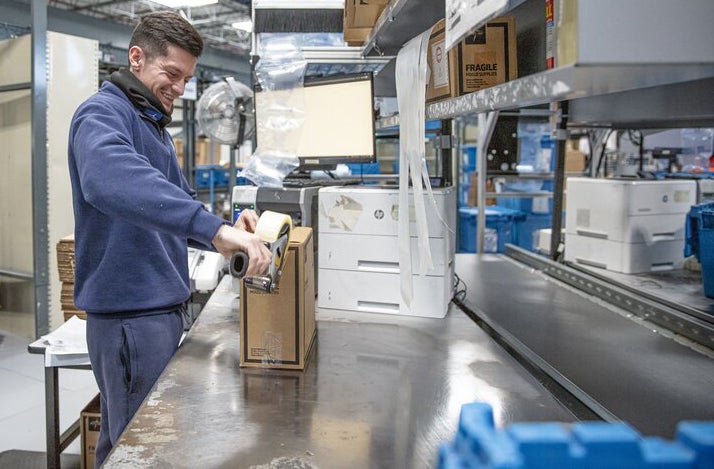
2. Shipping: Enhancing delivery and customer experience
Earlier this fall, Medline surveyed insurance providers to understand their strategic priorities for 2026. The results were clear: Cost containment, member experience and engagement, and supplemental benefit strategies topped the list. These priorities reflect a growing need among providers to not only deliver care efficiently but to help patients feel supported and satisfied — especially in times of increased demand at the start of the month and during seasonal spikes in the use of benefits in the first and fourth quarters.
“Consumers increasingly exercise choice in their healthcare providers, and when the experience delivered by their homecare provider falls short of expectations, whether that’s in home health, hospice, HME services or through a health plan, they’re more inclined to seek alternatives,” Brody said. “We’ve identified that the consumer experience encompasses not only the quality of direct care, but also the convenience and efficiency of receiving their products.”
Using currently available and new technologies, Medline can help generate forecasts for labor planning at its distribution centers to help fulfill homecare orders. Analyzing patterns of use and spikes in demand helps the company anticipate surges tied to quarterly insurance benefit cycles. This allows for more efficient and consistent staffing at Medline’s distribution centers to help pick, pack and ship orders on time, even during periods of high demand.

Another growing trend shaping the healthcare consumer experience is the preference for more compact and sustainable packaging, a shift that reflects heightened awareness of the environment, as well as a desire for greater convenience and cost efficiency.
 “By choosing suppliers who use innovative packaging design and logistics designed to help reduce waste and streamline operations, healthcare providers can help contribute to a more resilient and responsible supply chain,” said Judy Panayos (right), Medline’s director of environmental sustainability.
One example of investing in technology to enhance the home shipping experience is Medline’s pilot of pick-and-pack automation to streamline appropriately sized packaging and help reduce a reliance on plastic packaging materials, which can not only help reduce waste and lower cost but also help enhance the “unboxing” experience.
“This shift not only supports Medline’s sustainability initiatives but can help enhance packing speed and product protection,” Panayos said.
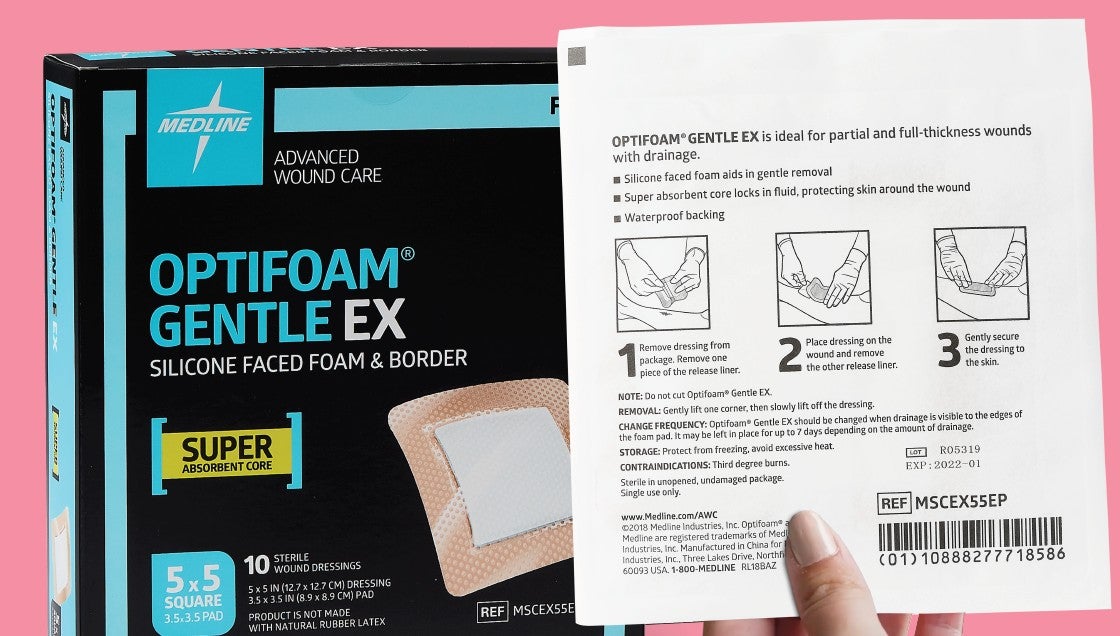
3. Product education: Empowering patients for self-care
Medline is prioritizing product education for patients in homecare settings by providing simpler instructions, larger print and personalized kits to help them manage their needs confidently.
This can be a huge benefit (and provide additional peace of mind) for patients managing, for example, diabetes, incontinence, blood pressure or heart health or seeking to reduce their risk of falls.
“Patient teaching is important, but it is more than ensuring patients understand their medical conditions—it’s about empowering them to be confident in decisions made regarding their care and help foster independence regarding clinical treatments,” said Kaila Martin, Medline post-acute care customer success manager.
Registered clinicians and product support specialists from Medline also provide product education and in-service training to healthcare staff, helping to bridge the gap between supply delivery and quality care. This combined team brings deep expertise in areas such as skin health and incontinence management, equipping caregivers with the tools and knowledge that can contribute to delivering successful outcomes.
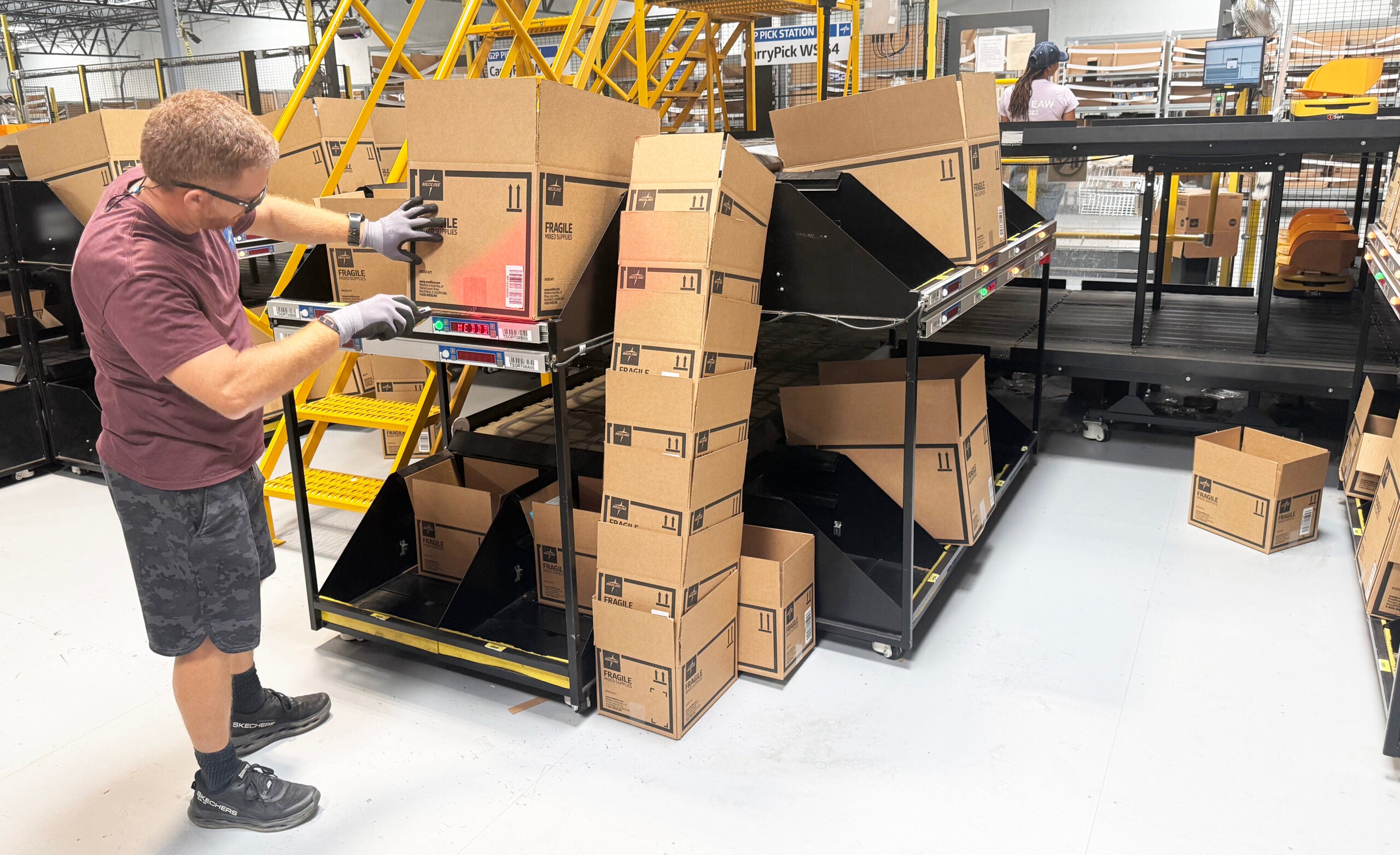
4. Investing in people: Building dedicated homecare teams
To help respond quickly to evolving market needs and customer expectations, Medline has expanded its commercial homecare workforce to more than 50 people since 2023, adding dedicated team members and growing sales, business development and warehouse teams to support health plans, HME providers and home health and hospice.
“At Medline, we believe that the strength of our homecare strategy lies in our people,” Brody said. “By investing in a specialized and growing team, we’re not just responding to market shifts – we’re helping shape them. Our team’s deep expertise and agility make Medline a true thinker and leader in the homecare space, committed to meeting patients where they are today and anticipating where they’ll need us tomorrow.”
Visit Medline.com to learn more about Medline Home Direct™.
Medline Newsroom Staff
Medline Newsroom Staff
Medline's newsroom staff researches and reports on the latest news and trends in healthcare.