More than ever, Medline’s quest to unearth new talent begins in the backyard
By Medline Newsroom Staff | August 20, 2026
More than ever, Medline’s quest to unearth new talent begins in the backyard
The Workforce Pathway Program, launched this year, leans harder into the local connections that have long helped fill the company’s employee pipeline
The future workforce is shaped long before a candidate applies for a job. As companies evolve and skill requirements become more specialized, employers and educators share a common challenge: preparing students for meaningful careers while ensuring businesses have access to talent they need to grow.
To help solve this problem, Medline is collaborating with local high schools, colleges and technical schools to bridge the gap, with the goal of creating opportunities for students and building sustainable talent pipelines for the future.
Earlier this year, Medline — with 17 manufacturing facilities and 45 distribution centers in communities across the U.S. as of Dec. 31, 2025 — launched the Workforce Pathway Program (WPP), a synchronization of yearslong local recruitment efforts that’s designed to create opportunities for high school and college students in communities near Medline facilities.
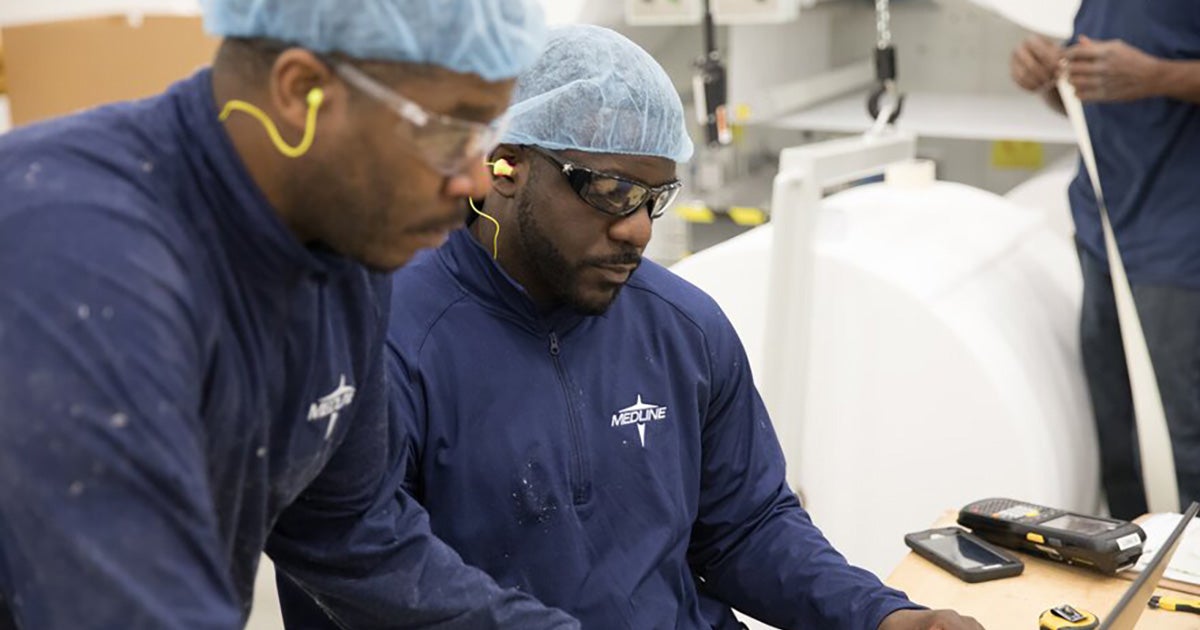
Through the WPP, which gradually is making its way to Medine’s U.S. distribution centers and manufacturing plants, Medline actively partners with local schools and workforce groups to generate interest in career paths with the company. Local economic development and workforce organizations act as the “connective tissue,” inviting students to go beyond job fairs and take immersive tours of their local Medline facilities to see what happens there, speak directly with facility leaders and envision themselves in roles they possibly didn’t even know existed. Groups of up to 60 students have toured Medline sites this year for this purpose.
 Success in Georgia
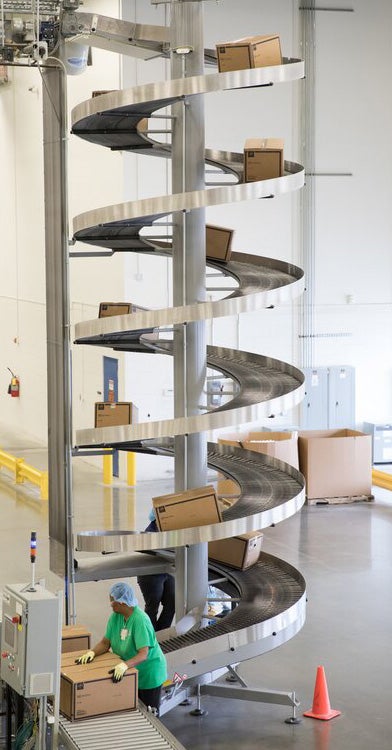
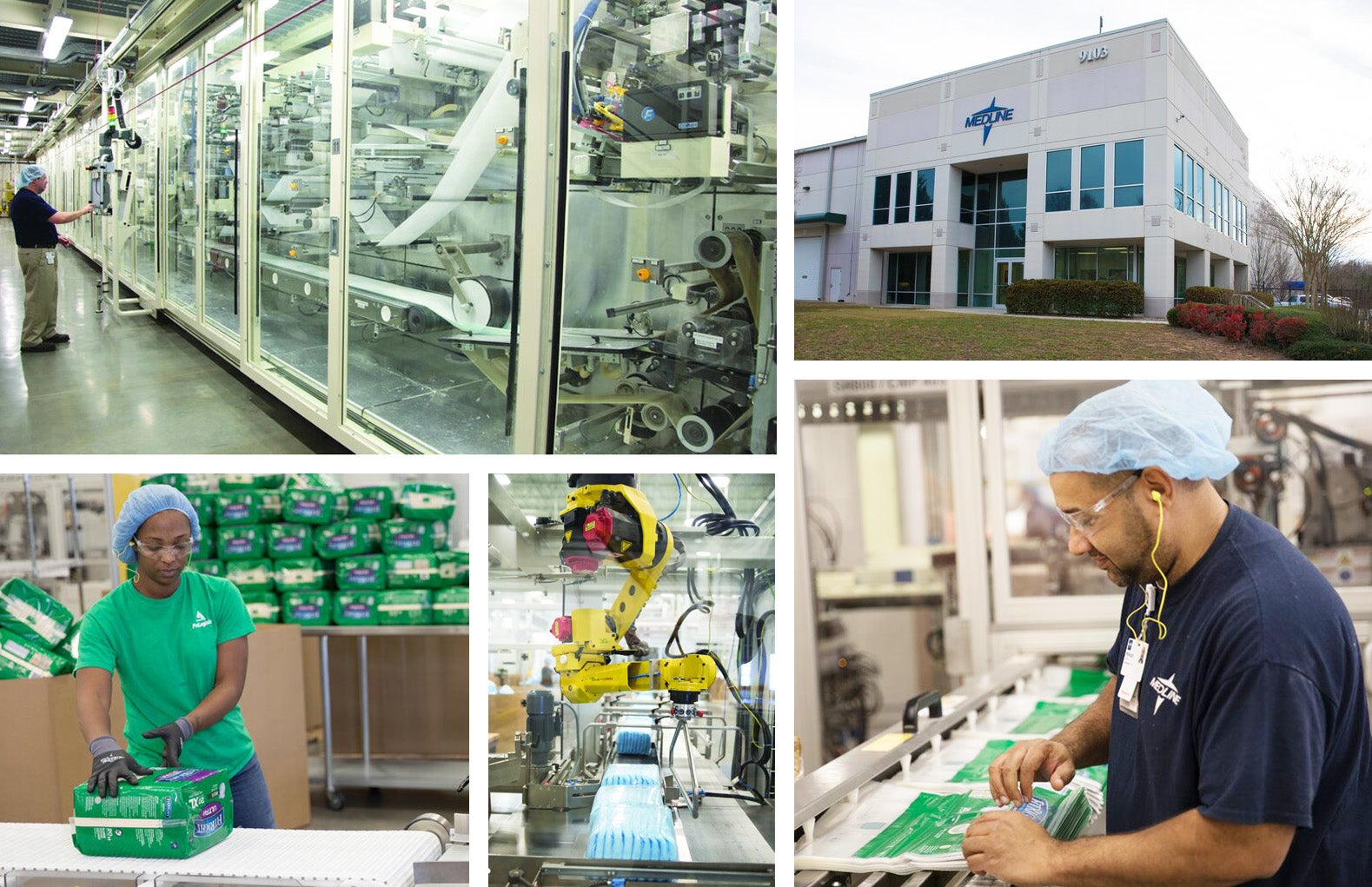
Medline’s manufacturing facility for incontinence products in unincorporated Lithia Springs, Ga., just west of Atlanta, was a pilot location for the WPP effort. Walt Lewis, the facility’s senior manager of engineering for manufacturing, leads the tours there himself.
“Here in Lithia Springs, we’re always looking for skilled team members who are passionate about their work,” Lewis said. “Being able to bring students in, talk with them about their goals and share my own experience at Medline is a great opportunity to showcase for them why Medline could be a great place to begin or build a career.”
Breezy Straton is president of Elevate Douglas, the local economic development organization for Douglas County, Georgia, which includes Lithia Springs. When Straton started at Elevate Douglas 12 years ago as a project manager, one of her first orders of business was getting to know local employers whose needs she’d be helping to address. She’d barely taken off her coat when she met Medline. The company had opened its Lithia Springs facility in 2011 and was looking to build up its workforce.
“They were one of the first companies I was introduced to,” Straton said.
Today, Medline and Elevate Douglas are old friends and collaborators, still finding new ways to continue the work that always has been the focus of their relationship: preparing young people for meaningful careers close to home. In the past, that has come in the form of “boot camps” and other skills trainings led by Elevate Douglas to provide recent high school graduates — as estimated 30% of whom don’t go on to college — the skills and certifications they’d need to contribute right away in warehouse and manufacturing environments such as Medline’s.
The bridge between
Rachel Ash, Elevate Douglas’ senior project manager for business retention, expansion and workforce, is happy to send prospective workers Lewis’ way. In the past year, she has helped connect Medline with nearby West Georgia Technical College, a go-to training provider that can not only help prepare new employees for the Medline environment but also “upskill” current Medline employees for more senior roles involving increasingly robotic technology. Other potential pipelines are the Georgia Department of Economic Development, Georgia Tech’s Manufacturing Extension and a Goodwill Career Center opening in the area this fall.
“We’re conveners,” Ash said of Elevate Douglas’ role. “We want to make sure the students and the employers have the resources and tools they need to succeed.”

The classroom, ideally, is where the WPP will go next. Medline is teaming more purposefully with local schools and universities to get the right education into career-development classes on the exact equipment, technologies and processes that both entry-level and more specialized employees will need to know.
Straton knows the importance of keeping up with changing trends. Young workers today are wired differently, she said — shaped by screen technology from an early age. Sparking interest in a particular career now requires a combination of classroom learning and up-close experiences — exactly what Medline’s WPP is meant to provide. Gone are the days of simply talking about a job to encourage applicants.
“That type of engagement doesn’t work anymore,” Straton said. “They’ve got to see it. They’ve got to feel it. The expectation of what a job looks like has evolved over the past decade. That’s why Medline’s tours are so important. It’s manufacturing — an employee is making something. But they’re often using a computer. There’s a perception that warehouse and manufacturing work is dirty, messy, grimy and dangerous, but ultimately that’s not what modern warehousing or manufacturing is.”
First isn’t worst
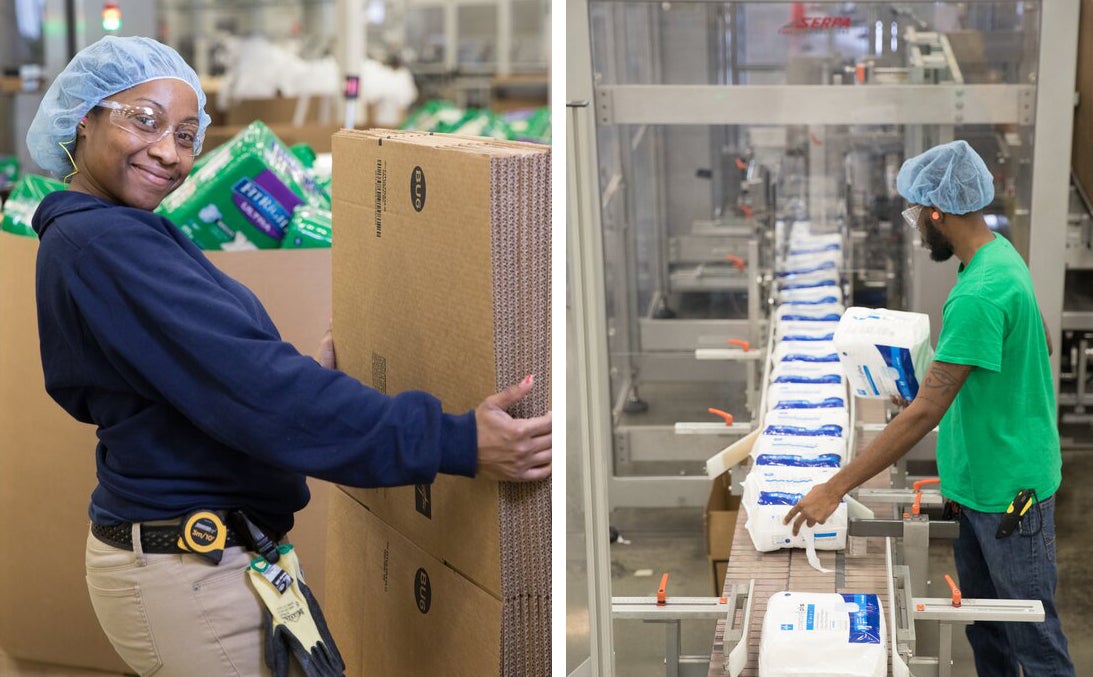
Learning the so-called “soft skills” — things like being able to show up to work on time and be coachable – is essential, too. It’s often a deliberate part of programs that companies develop with local organizations.
“We have a responsibility, us and employers, to do what we can to get ahead of that,” Ash said. “A lot of employers don’t want to be someone’s first employer. But if we shift the narrative, companies like Medline have an opportunity to really shape and mold this future generation of workers into how they want them to work.”
Michael Cato, senior director of operations at Medline’s distribution center in Wilmer, Texas, likes the sound of that. His site also has hosted WPP student tours, with many more expected into 2027.
“We’re always looking for more individuals who share our drive and commitment,” Cato said. “With the community connections the WPP is helping to create, we’re welcoming students into our facilities and adding to a workforce we can depend on in the long run.”
Do you represent a school or workforce-development organization with a Medline facility nearby? Connect with Medline’s public affairs team at publicaffairs@medline.com.
Medline Newsroom Staff
Medline Newsroom Staff
Medline's newsroom staff researches and reports on the latest news and trends in healthcare.