As Medline continues to grow outside the U.S., ‘glocal’ is the way to go

By Medline Newsroom Staff | July 17, 2026
As Medline continues to grow outside the United States, ‘glocal’ is the way to go
From Mexico to the Middle East to Australia, success means appreciating the needs and nuances of a region, not just duplicating what’s done in the U.S.
Blue paper world map
Canada, Latin America, Europe, the Middle East and the Asia-Pacific region are areas where Medline recently has made new strides in translating its strengths outside the U.S.
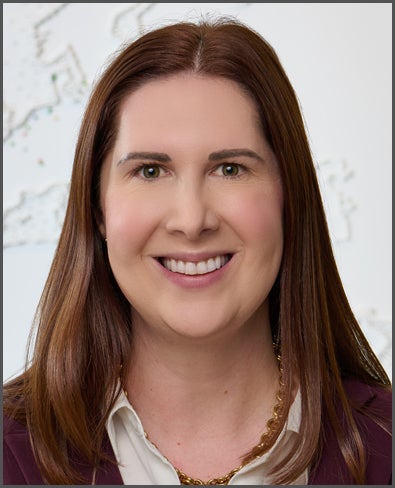 By Diana LeFebvre
President, International
In many healthcare systems around the world, you’ll find hospitals still “single pull,” having their clinicians gather medical and surgical supplies individually from storage areas, as opposed to using the all-in-one sterile procedure trays (SPTs) and kits that have been a Medline calling card for decades.
That might seem like an operational detail, but the example points to something bigger: Global growth for a healthcare company like Medline isn’t as simple as just exporting what works domestically. It requires a different mindset, one in which we might need to adapt what we provide and how we provide it.
 Since a visit from my home base in Ireland to Medline’s Chicago-area headquarters in May (pictured), I’ve continued to share what it looks like to grow internationally, and what I see isn’t one big breakthrough. It’s a series of small, deliberate steps, blending the things we do especially well in the U.S. with distinct approaches shaped by local markets.
The reality is we can’t just “lift and shift” U.S. service models based on U.S. preferences. It has to be more nuanced, more “glocal.” We need to continue to first think hyper-locally when it comes to our customers and the products and services they need, then layer on the Medline strengths that translate universally.
Here’s a quick “global tour” highlighting where we’ve recently struck the right balance:
Canada
This spring, Medline Canada signed a Prime Vendor deal to provide logistics and distribution services to a hub of Ontario hospitals served by Mohawk Medbuy, one of Canada’s largest healthcare procurement groups. It’s a first for Medline outside the U.S., where the Prime Vendor model has been in use since 1996. These nine hospitals are counting on Medline for better service, better accountability and better value. For Medline, it’s an example of taking a proven concept and adapting it for a new environment: a nationalized healthcare system.
Latin America
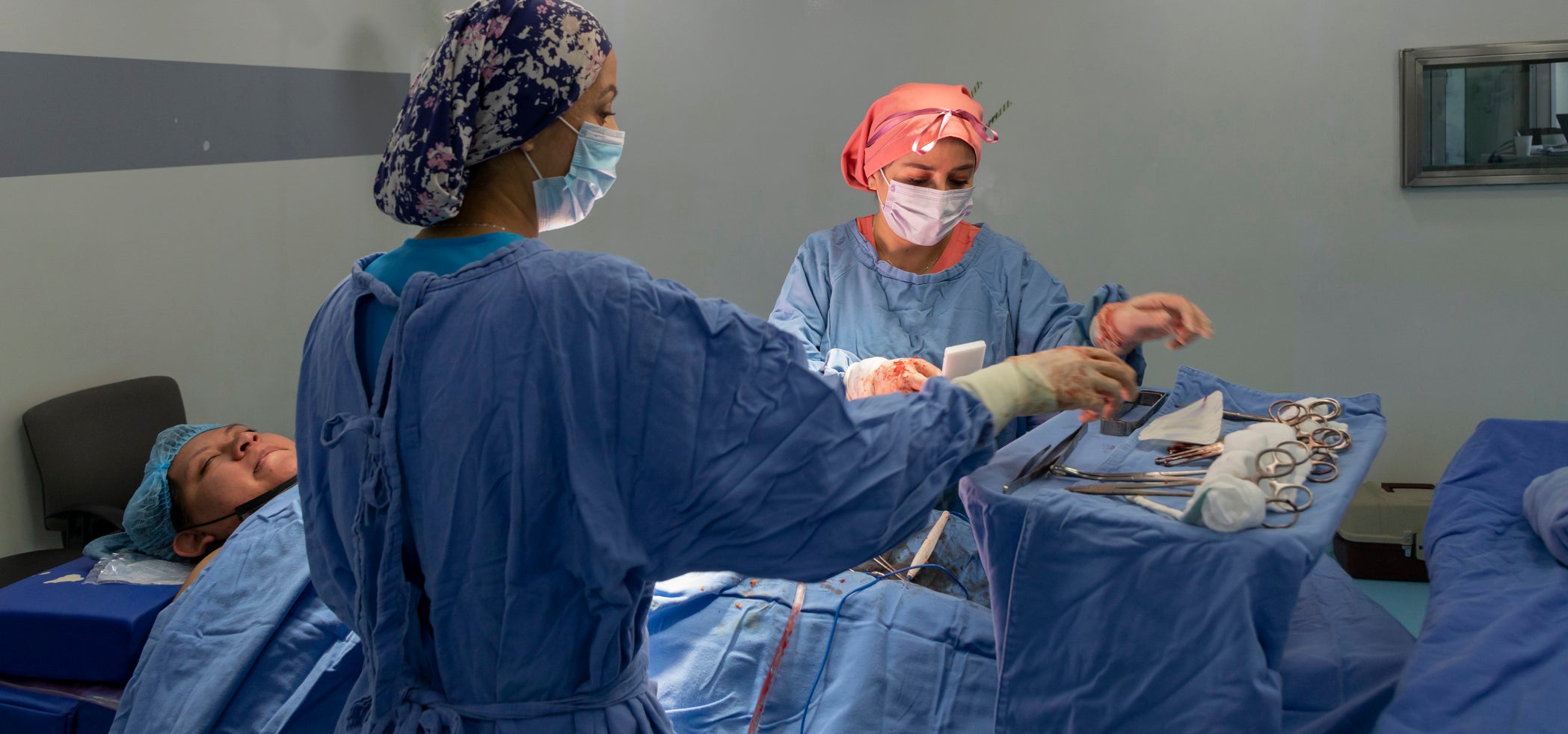
Medline’s growth south of the U.S. begins with showing healthcare providers there are more efficient solutions available to them, then ideating on how to blend our solutions with their current processes. This month, Medline brought leaders from six of the largest private hospital groups in Mexico to our plant in Mexicali to better understand their needs and show them our SPT and kitting capabilities. Labor is increasingly expensive globally. Nursing shortages are widespread. So, whose time is better spent picking and preparing supplies — the nurses’ or Medline’s? By demonstrating how many touchpoints a single item has throughout their system versus the dramatic reduction in touchpoints when kits are used, we are helping them see how to drive efficiency through every department.
Europe
In Europe, the value our customers place on SPTs has been proven for many years, resulting in us breaking ground to double our SPT production capacity in Slovakia in 2025. But it’s important to remember, “Europe” is not one market. Across the continent, you have some countries that believe in the power of kits and others that single-pull for nearly everything. On average, the number of components in our kits in the EU is fewer than half the number in the U.S., meaning there’s a significant opportunity to help customers think differently about efficiency.
Australia
We’ve leaned into logistics by expanding our fleet of MedTrans trucks, which has attracted more Australian customers. We’ve also taken an extra step by introducing the “MedTrack” app, which a driver can use to scan the barcode of a product and create a new order that routes straight to customer service. These solutions demonstrate how we can take a capability we have proven in the U.S. — the dependability of a Medline-owned delivery fleet — into a new market, with an added technological twist that helps meet local needs.

Middle East
At the moment, there’s perhaps no greater example of Medline putting the customer first than our team in the Middle East. As the regional conflict has disrupted supply chains, incoming product shipments have dropped significantly. In the face of both personal struggles and immense professional challenges, the Medline team has responded by focusing on what it can control: the products already in stock and the time spent with customers. Our team members have stepped up to meet with their customers, hear their concerns, review their inventory, identify alternative products and maintain steady communication.
Across all these regions and the others we serve, the lesson is the same: If you’re attempting to make healthcare run better with a one-size-fits-all approach, you’re going to miss the mark. Each area has its own challenges to consider. Product specifications and regulations vary widely. And, of course, there are differences in language, culture and simply the way you do things.
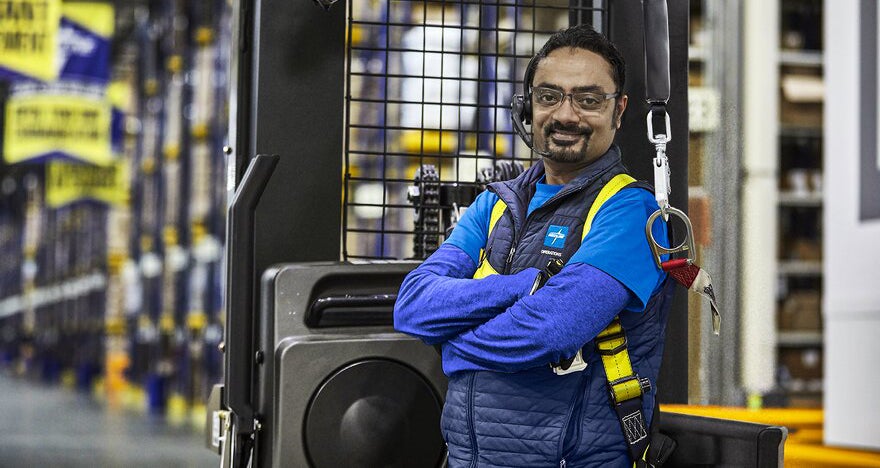
At the same time, if we’re only thinking locally and not leveraging ideas that have made Medline successful for 60 years and counting, then we’re missing out on the full scale and value of what we can bring to the table.
Hence, the focus on “glocal.” We remain local with our customer approach and in our understanding of rules, preferences and needs. Where it’s wanted and it works, we bring in the unique strengths that have worked in the U.S. We also globalize what should be global — the companywide Medline infrastructure, system reliability and cybersecurity that quietly assure our customers they can depend on us.
This balance is how we avoid reinventing the wheel, how we build bridges and how we bring the best of Medline to customers everywhere — without losing sight of what makes each market unique.
It’s not about choosing global or local. It’s about doing both, with purpose.
Diana LeFebvre has been with Medline since 2012 and has led its international efforts since 2024. Learn more about all the areas of the world where Medline is making an impact.

Medline Newsroom Staff
Medline Newsroom Staff
Medline's newsroom staff researches and reports on the latest news and trends in healthcare.